
April 14, 2026
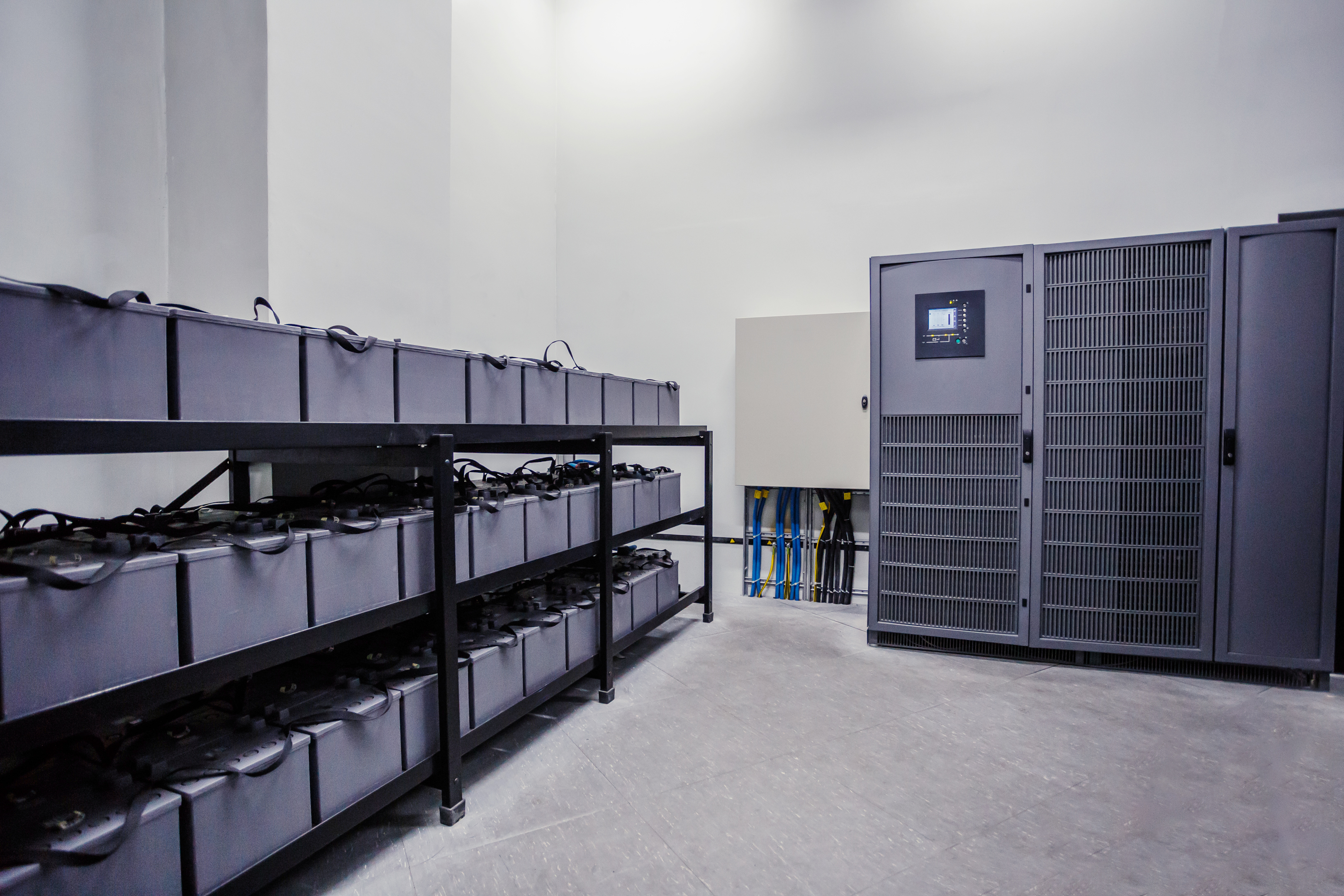
Most businesses lack visibility into their battery inventory because tracking is inconsistent across locations, departments, and lifecycle stages. This creates safety risks, compliance exposure, and unnecessary costs. A structured inventory system helps prevent these issues.
Ask most facilities a simple question: How many batteries are currently on-site?
The answer is often uncertain.
Batteries move. They get removed from service, set aside for testing, or stored for future use. Over time, they spread across multiple areas and sometimes multiple facilities. Without a consistent process, visibility breaks down.
• Batteries removed from service but never logged
• Mixed chemistries stored together without identification
• No record of how long batteries have been on-site
• Unclear ownership between departments
• Missing or inconsistent labeling
Individually, these issues may seem manageable. Together, they create a situation where no one has a complete or accurate picture.
Battery inventory is not just an operational concern. It is a safety issue.
• Lithium-ion batteries can become unstable over time
• Damaged batteries may go unnoticed
• Swelling, heat buildup, or internal failure can develop without warning
When batteries are not tracked, they are not inspected. When they are not inspected, problems are discovered too late.
• Storage areas not designed for batteries
• Mixed materials in shared containers
• Batteries placed near combustible materials
• Units stacked or handled without protection
These conditions increase the likelihood of fire or chemical exposure.
Regulations do not account for uncertainty. They require control.
• Accurate identification of battery types and condition
• Proper labeling and storage practices
• Defined timelines for storage and removal
• Documentation of handling and disposition
If your business cannot demonstrate control over its battery inventory, it becomes difficult to prove compliance with EPA, DOT, and state-level requirements.
Inventory tracking is the starting point for meeting these expectations.
You do not need a complex system. You need a consistent one.
Assign specific areas for battery storage. Avoid scattered or temporary placement.
Do not mix battery types or combine damaged and intact units.
Create a simple intake process that records:
• Date removed
• Battery type
• Condition
Batteries should not sit indefinitely. Set clear timelines for review and removal.
Routine pickups prevent accumulation and reduce risk.
At Vesco Clean Energy, we work with businesses that need clarity around their battery inventory.
We help:
• Identify and organize existing battery stock
• Separate materials into compliant storage
• Coordinate removal and transport
• Support ongoing inventory control through structured programs
Once a system is in place, inventory becomes predictable. Safety improves. Compliance becomes easier to demonstrate.
Most battery inventory problems develop gradually. By the time they are visible, the risk is already there.
If your team cannot confidently answer what batteries are on-site, where they are stored, and how long they have been there, it is time to take a closer look.
Contact Vesco Clean Energy to bring structure and visibility to your battery management process.