
December 3, 2025
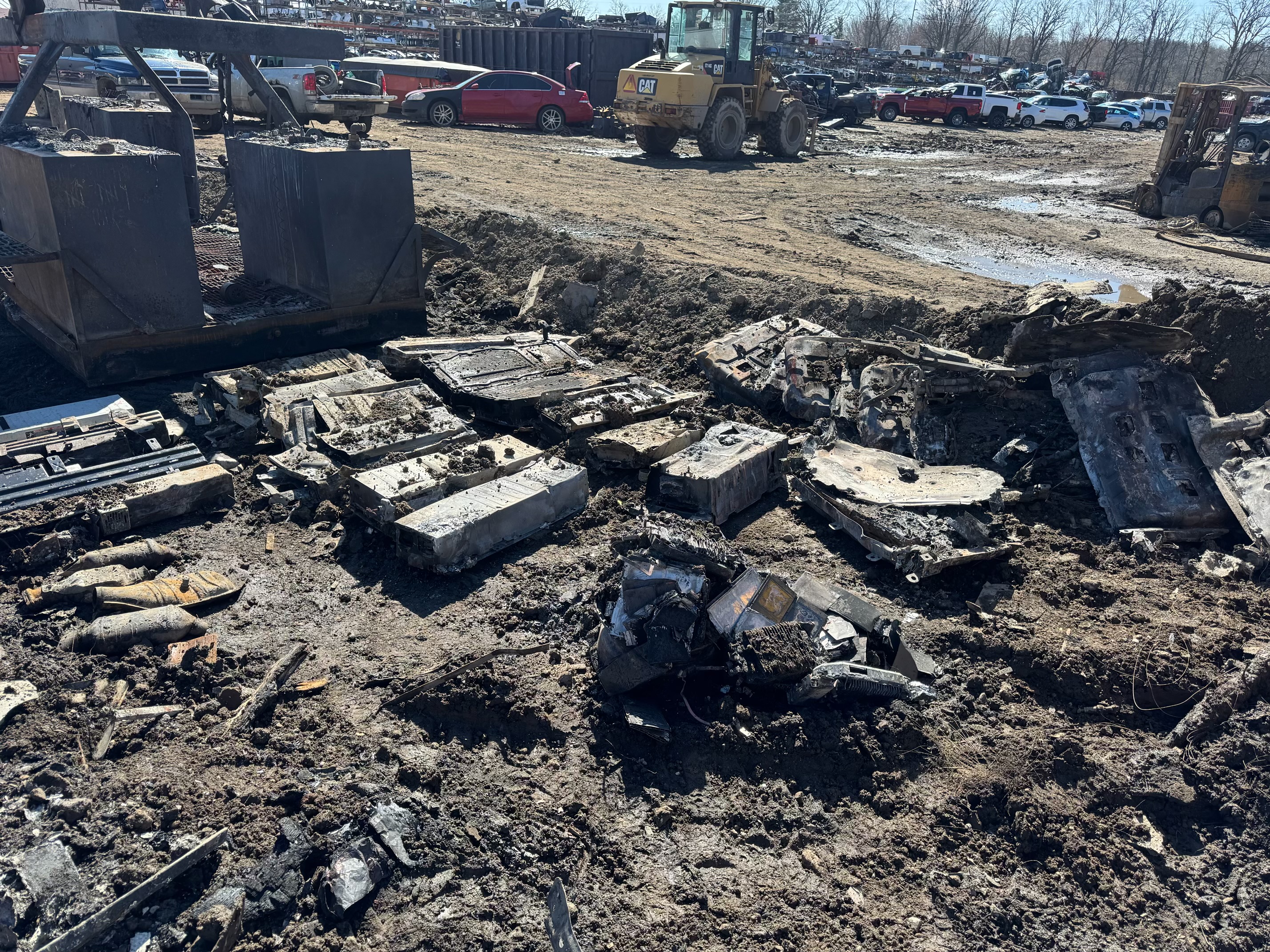
If your facility handles large-format batteries, including lithium-ion, lead-acid, nickel-based, or otherwise, you already know they can’t be treated like ordinary waste. But many businesses still underestimate the risks and responsibilities tied to battery disposal.
At Vesco Clean Energy, we help companies manage batteries the right way. Over the years, we’ve seen recurring patterns that put safety, compliance, and sustainability at risk. Below are the five most common mistakes businesses make when disposing of batteries—and how to avoid them.
The risk: Out-of-sight storage can quickly get out of control. Over time, battery casings may swell, leak, or rupture. Lithium-based chemistries are especially prone to thermal runaway when damaged or stored improperly. From a regulatory standpoint, used batteries cannot be stored for more than 360 days.
How to avoid it: Establish a clear intake and removal process: track dates, chemistries, and quantities. If your team doesn’t know how long batteries have been sitting, or what condition they’re in, it’s time for a reset. Vesco Clean Energy offers scheduled pickups and safe interim storage to keep inventory under control.
The risk: Placing different battery types, such as lithium-ion, alkaline, and lead-acid, in the same container without proper safeguards can increase the risk of short circuits, fires, or chemical leaks. It also complicates downstream handling and may violate transport regulations.
How to avoid it: In most cases, battery types should be kept separate by chemistry and condition, especially if damage is present. However, certain permitted containers allow for mixed chemistries when properly packaged and documented. At Vesco Clean Energy, we supply approved containers and sorting services that meet DOT and EPA requirements, allowing you to safely consolidate battery types while maintaining full compliance.
The risk: Shipping used or damaged batteries without DOT-compliant packaging and labels can result in rejected shipments, fines, or, worse, accidents during transit.
How to avoid it: Use UN-rated containers and adhere to DOT and EPA regulations for packaging, labeling, and manifesting. Vesco Clean Energy manages compliant logistics across North America, handling the technical details so your team doesn’t have to.
The risk: Without proper records, your business is exposed during environmental audits, inspections, or ESG reporting. Regulators expect clear documentation, especially for hazardous waste.
How to avoid it: Keep consistent records of battery intake, storage, transport, and recycling. We provide detailed tracking, manifest records, and processor confirmations to support your internal compliance efforts.
The risk: Not all recyclers follow the same standards. If batteries are handed off to a processor that cuts corners, your company may still be liable for environmental damage or improper disposal, even years later.
How to avoid it: Partner only with experienced, transparent providers who follow federal and state regulations. Vesco Clean Energy works with vetted recycling partners and provides full traceability to the point of final disposition.
Used batteries shouldn’t be an afterthought. Without a plan, they become a risk. With the right partner, they become part of a safe, sustainable, and fully compliant waste stream.
If your current process feels uncertain or inconsistent, we can help.
Contact us today to learn more about our battery recycling services!